
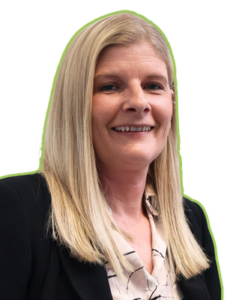
 Everyone’s experience of menopause is different, but talking about it can help us all understand it a little better. In recognition of World Menopause Day 2026, we’re handing the conversation over to Rachel Shaw, Head of Facilities Management at Vertas Derbyshire, as she shares the highs, lows, hot flushes and everything in between from her own menopause journey.
Please tell us a little about yourself, your role, and when you began your menopause journey
I am Head of Facilities Management for Vertas Derbyshire and look after several cleaning and grounds sites. I started perimenopause about 4 years ago when I was 44, which was quite early, and have since transitioned into full menopause.
When did you first realise you might be experiencing menopause or perimenopause? How did you feel?
I started having very irregular periods 4 years ago and experiencing hot flushes. My brain started not working the way it used to, and I almost felt like a different person, incapable of some of the things I previously found easy, which gradually got worse.
What symptoms have had the biggest impact on your day-to-day life?
My symptoms have changed over time, so it’s difficult not to just list them all. At the moment, brain fog, hot flushes and aches are almost unbearable. I thought I would give some examples which may help people to understand.
Brain fog – I can have a conversation with a colleague, make decisions and arrange actions one day, and the next day, I cannot remember having the conversation at all. This is quite a scary feeling as I pride myself on being organised, meeting deadlines and completing work. I have a million reminders on my phone to ensure I complete the simplest things; however, when I try to set a reminder, if someone talks to me or something else gets my attention, I forget what I am trying to remind myself about. It’s a vicious cycle of brain fog, which makes you feel very frustrated.
Hot flushes – Imagine opening your oven door and the hot blast hits your face, except the oven is my insides and the hot blast is radiating through my body. I can be calmly sitting, sending an email or watching TV, and all of a sudden my body just stages a volcanic-like eruption! If I’m in the middle of something, then all sense, reason, and capability disappear and are replaced by irrational anger, being unable to function and feeling like I’m going to melt immediately. This only happens about 30 times a day, so could be worse, I suppose!
Body aches – This is a recent development and one I blame on changes in my medication while I try to find the right HRT to help all symptoms at once. Usually, body aches are due to a lack of estrogen, which I am severely lacking in at the moment, as my body doesn’t absorb the current estrogen spray I have been trialling. As someone who is very active and plays sport at a competitive level, it’s been very difficult to navigate as I don’t feel capable of doing what I used to.
How have you found navigating the workplace since starting your menopause journey?
It’s not easy to do, and it can become more difficult when people don’t have an understanding of what you are going through. I use Copilot Chat to support my day-to-day activities and workload, and I find it helpful not to hide the fact that I am struggling. I try to explain as best I can to my manager when I am struggling, but obviously this can be hard.
Through my work on menopause support here, I have also seen how valuable good information, open conversations and practical workplace support can be. I am passionate about helping colleagues understand the options available to them and encouraging people to seek appropriate professional advice for their individual circumstances, or to pick up the phone to me, and we can have a good chat, even if it’s just to moan.
What difference does having understanding colleagues or managers make?
For me, creating a workplace where people can talk openly without embarrassment or stigma is really important. Managers do not need to have all the answers; listening, treating each person as an individual and being willing to consider practical support can help colleagues feel valued and able to remain at their best at work. Luckily, my line manager is very supportive and has made navigating this journey much easier.
What message would you like to share with other colleagues who may be going through a similar experience or want to understand more about it?
My message would be: you do not have to navigate it alone. Talk about what you are experiencing when you feel able, seek reliable information and professional support where appropriate, and do not be afraid to ask for help at work. For colleagues and managers, taking the time to listen and learn can make a huge difference. The more openly and respectfully we talk about menopause, the more we can reduce stigma and build a genuinely supportive workplace for everyone.
Thank you, Rachel, for sharing your story with us. This World Menopause Day 2026, we were proud to launch a dedicated Menopause Space on our colleague engagement platform – the first action of our new Group-wide initiative, #StrongerTogether. Read more about this space and our campaign here.

Press enquiries
For all press and media related enquiries please contact
Amelia O'Hanlon
Amelia.OHanlon@vertas.co.uk
07851 384 544

